
Roof Repairs Melbourne: 9 Signs Your Roof Needs Attention
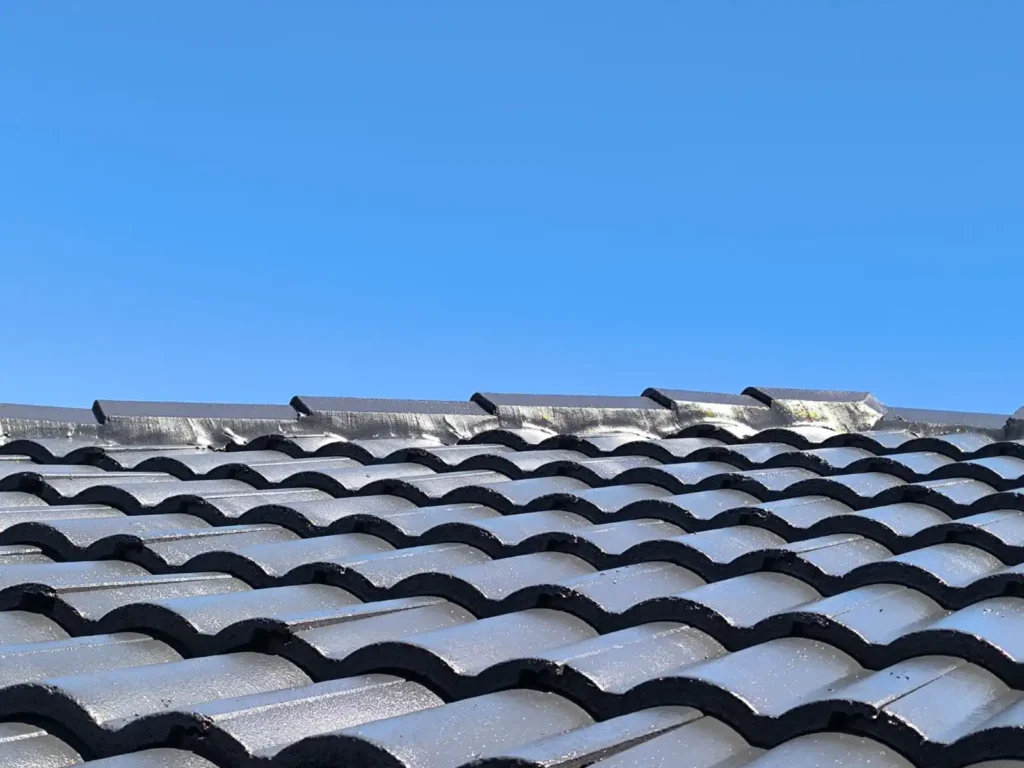
Roof Repairs in Melbourne: 9 Signs You Should Not Wait to Fix the Problem Roof problems rarely improve on their own. What starts as a cracked tile, a loose ridge cap or a minor leak can quickly turn into internal damage, mould growth and much higher repair costs. In Melbourne, where roofs deal with rain, wind, changing temperatures and storm exposure, even a small fault can worsen faster than many homeowners expect. That is why timely roof repairs matter. Acting early can protect the structure of the roof, reduce the risk of water entering the home and help avoid more expensive restoration work later. If you are unsure whether your roof needs attention, here are nine signs that it may be time to arrange roof repairs in Melbourne. 1. Water stains are appearing inside the house One of the clearest warning signs is a stain on the ceiling or upper wall. Brown, yellow or damp-looking patches often mean water is already entering through the roof and finding its way inside. The visible stain is not always directly under the source of the problem. Water can travel along timbers or ceiling cavities before it appears indoors. That is why even a small stain should be taken seriously. It often points to roofing damage that needs proper inspection rather than a simple cosmetic patch. 2. You notice a roof leak during rain If water drips inside the home during or after rain, roof repairs should not be delayed. An active leak usually means the roofing system has already been compromised. The cause may be cracked tiles, damaged metal sheets, failed flashing, blocked valleys, loose fastenings or worn seals around roof penetrations. Whatever the source, ongoing water entry can damage insulation, plaster, paintwork and timber if left unresolved. A leak during rain is a clear sign that the roof is no longer doing its job properly. 3. Broken, cracked or displaced roofing materials From the ground, you may be able to spot visible damage such as broken tiles, lifted sheets or sections that no longer sit correctly. These issues may seem localised, but they can create entry points for water and wind-driven rain. In some cases, the surrounding materials also begin to weaken, which increases the chance of further damage during bad weather. Roof repairs are often far more manageable when these faults are addressed early rather than after multiple areas start failing. 4. Flashing is damaged or pulling away Flashing plays a critical role in keeping water out around roof joints, chimneys, skylights, vents and wall connections. When flashing rusts, lifts, cracks or separates from the surface, water can enter areas that are normally protected. This is one of the most common reasons small leaks keep returning. Homeowners often focus on the visible stain or damp patch indoors, while the actual issue sits outside around a poorly sealed flashing point. If flashing has started to fail, targeted roof repairs are usually needed before the problem spreads. 5. Your roof is showing signs of age and repeated wear Older roofs often develop a pattern of minor faults before major problems occur. You may notice recurring leaks, loose ridge caps, worn pointing, faded coatings, corrosion, or general material fatigue. While one isolated issue may only need a straightforward repair, repeated problems across an ageing roof can signal broader deterioration. In those cases, a professional inspection helps determine whether standard roof repairs are enough or whether restoration work would be a smarter long-term solution. 6. Mould or damp smells are becoming noticeable A musty smell inside the home, especially in upper rooms or ceiling corners, can indicate hidden moisture from the roof. Mould may also begin to form where dampness lingers over time. Melbourne’s cooler and wetter periods can make this worse. Even when the leak is not obvious, trapped moisture in the roof cavity can slowly affect air quality and internal finishes. If mould keeps returning or the smell strengthens after rain, roof repairs may be needed to stop the source of the moisture. 7. Gutters or valleys are overflowing or draining poorly Not every roofing issue starts with the main roof surface. Poor drainage can also lead to leaks and water damage. When gutters or roof valleys are blocked, overflowing water can back up into areas it should never reach. This can lead to edge damage, timber rot, internal moisture problems and deterioration around the roofline. In many homes, roof repairs and drainage corrections need to be handled together so the same issue does not keep returning. 8. The ceiling is sagging or paint is peeling By the time the ceiling starts sagging or the paint begins bubbling, the roof problem has often been there for longer than expected. These symptoms usually mean moisture has been entering the home and affecting plasterboard or ceiling finishes over time. At this stage, the job is no longer just about appearance. The damage may involve wet insulation, weakened plaster and a greater risk of further spread. Roof repairs should come first, followed by internal repair once the source has been properly resolved. 9. Storms have recently passed through your area Even if you do not see obvious internal damage yet, recent storm activity is a good reason to consider a roof check. Strong wind, heavy rainfall and debris impact can loosen materials, damage flashing and create entry points that may not show up inside immediately. Many Melbourne homeowners only discover storm-related roofing issues weeks later, once staining or leaking appears. Early roof repairs after storm exposure can prevent a smaller problem from turning into a much larger one. Why delaying roof repairs usually costs more The main risk in waiting is that water keeps moving. It can spread through insulation, timbers, plaster and paintwork, gradually increasing the size of the repair. What might have been a manageable roofing fix can become a wider job involving both external and internal damage. There is also the issue of repeated repairs. If the source is not identified properly,
7 Ceiling Signs Your Roof May Be Failing in Melbourne

7 Ceiling Signs Your Roof May Be Failing in Melbourne A roof rarely fails without warning. In many Melbourne homes, the first clues do not appear outside on the tiles or sheets. They show up inside, on the ceiling. A faint stain, a patch of peeling paint, a musty smell after rain, or a section that no longer sits flat can all point to a roofing problem that is already developing above your head. Many homeowners dismiss these signs as minor cosmetic issues at first. However, that delay often gives water more time to spread through insulation, plaster, timber and internal finishes. In Melbourne, where roofs face changing temperatures, wind, heavy rain and seasonal storms, small roofing issues can become expensive interior damage faster than expected. If you have noticed unusual changes on your ceiling, here are seven warning signs that may mean your roof is failing and needs professional attention. Why ceiling problems often point to roof trouble Your ceiling sits directly below the roof structure, so it often becomes the first visible area to show signs of moisture intrusion. While roofing damage can go unnoticed from the ground, internal symptoms tend to be easier to spot in everyday life. Water may enter through cracked tiles, corroded metal sheets, lifted flashing, blocked valleys, damaged pointing or worn roof penetrations. Once that happens, the moisture can travel across roof timbers before finally showing on the ceiling below. That is why the visible sign inside your home may not be directly under the original source of the roof problem. 1. Brown or yellow water stains on the ceiling One of the clearest warning signs of roofing trouble is a discoloured patch on the ceiling. These stains often appear brown, yellow or slightly copper in tone, and they usually become more noticeable after periods of rain. A ceiling stain often means water has already entered the roof cavity and started affecting internal surfaces. In some cases, the problem may come from broken roof materials, deteriorated flashing, blocked gutters or poor drainage around valleys. It is also worth knowing that the stain itself is not always located directly beneath the leak. Water can travel along beams or plaster before becoming visible. That is why guessing the source rarely solves the problem properly. If a stain grows darker, wider or more frequent after wet weather, it is a strong sign that the issue should be inspected before further internal damage develops. 2. Bubbling paint or peeling ceiling finish When paint begins to bubble, blister or peel on the ceiling, many people assume they simply need repainting. In reality, trapped moisture is often the real reason. A slow roof leak can allow dampness to build behind the painted surface. Over time, that moisture weakens adhesion and causes the finish to lift away. Even if the bubbling seems minor, it can signal an ongoing issue above the ceiling line. Repainting without fixing the roofing cause usually leads to the same result again. The fresh paint may look better for a short time, but the moisture keeps working underneath it. Therefore, the roof should always be assessed before any cosmetic repair is done inside. 3. A sagging ceiling section A ceiling should sit flat and stable. If any area begins to droop, bow or sag, that is a more serious warning sign. This often means moisture has been present for longer than expected and the plaster or ceiling material has started to weaken. Sagging can happen when repeated roof leaks soak insulation and plasterboard over time. As the material absorbs water, it becomes heavier and less structurally sound. In severe cases, sections can crack or collapse. This is not something to ignore or monitor casually. A sagging ceiling suggests the roof problem may have moved beyond a minor repair issue and into a more urgent situation. It is especially important to act quickly if the sagging is worsening after rain or appears near light fittings. 4. Mould growth or a musty smell indoors A leaking roof does not always produce a dramatic stain straight away. Sometimes the first clue is mould near the ceiling line or a persistent musty smell in the room. When moisture becomes trapped in roof spaces or ceiling cavities, it creates the ideal environment for mould growth. You may notice black spotting in upper corners, along cornices or on ceilings in bedrooms, hallways and living areas. In other cases, there may be no visible mould at first, only a damp smell that becomes stronger after wet weather. Melbourne’s cooler and damp periods can make this problem worse. While ventilation can contribute to mould in some homes, roofing issues are often overlooked as a hidden cause. If mould keeps returning despite cleaning and airing out the room, the roof should be checked as part of the investigation. 5. Ceiling cracks that keep coming back Not every ceiling crack is caused by a failing roof. Homes can develop small plaster cracks over time from movement, settling or age. However, cracks that repeatedly reappear or worsen alongside damp signs should never be brushed aside. Moisture from above can weaken plaster joins and cause repeated expansion and movement in the ceiling surface. In some cases, roof structure movement, water penetration or timber stress may also contribute to cracking. The key issue is repetition. If you repair a crack and it comes back again, or if it appears with staining, bubbling paint or mould, there may be a roof-related problem behind it. Instead of treating it as a simple plaster issue, it is wiser to have the roof professionally assessed. 6. Dripping water during rain This is the most obvious sign, and also one of the most urgent. If water is actively dripping from the ceiling during or after rain, your roof is no longer containing moisture the way it should. At this stage, the issue may involve damaged flashing, broken tiles, rusted sheets, open joins, failed seal points, blocked drainage paths or compromised valleys. The damage
Roof Framing in Melbourne | Professional Roofers
Roof Framing Melbourne A roof is only as reliable as the structure beneath it. While many property owners focus on tiles, metal sheets and colour choices, the real strength of a roof starts with the framing. If the frame is poorly planned, incorrectly built or unsuited to the design, even quality roofing materials can underperform. For Melbourne homeowners, builders and property investors, roof framing is a critical part of any new construction project. It affects the shape of the roof, the way loads are carried, how water drains, and how well the entire roofing system performs over time. If you are building a new home, planning an extension or replacing an ageing roof structure, understanding the basics of roof framing in Melbourne can help you make better long-term decisions. What is roof framing? Roof framing is the structural framework that supports the roof covering and helps transfer loads safely through the building. It creates the shape and pitch of the roof while supporting battens, sheets, tiles, insulation and associated roofing components. In simple terms, it is the skeleton of the roof. Without sound framing, the visible roofing system above cannot perform the way it should. Why roof framing matters A properly framed roof does more than hold materials in place. It affects: When framing is planned and installed correctly, the roof is better equipped to handle Melbourne’s weather conditions and daily structural demands. When it is rushed or poorly detailed, issues can develop over time, including sagging, movement, drainage problems and roofing failure. Roof framing and roof design go together The framing design needs to match the architectural style and practical needs of the property. Roof pitch The pitch of the roof begins with the framing. A steeper roof may suit certain tile or metal profiles better, while lower-pitch roofs require careful planning to ensure proper drainage and water shedding. Roof shape Gable roofs, hip roofs, skillion roofs and more complex custom rooflines all require different framing approaches. The frame must support not only the shape of the roof, but also the way water and wind interact with it. Integration with extensions In extensions and renovations, the new frame must connect properly with the existing structure. Junctions between old and new sections are common problem areas when framing is not aligned or transitions are poorly handled. Common roof framing materials The most common roof framing materials are timber and steel. Each has its own place depending on the project design, structural needs and overall construction method. Timber roof framing Timber framing is widely used in residential construction. It offers design flexibility and suits a broad range of roof types. It remains a popular option across Melbourne homes for both new builds and extensions. Steel roof framing Steel framing is often chosen where strength, straightness and design precision are priorities. It can suit certain architectural projects and modern builds, particularly where lightweight roofing systems are used. The right framing material depends on the building design, engineering requirements and the broader construction plan. How roof framing affects drainage Roof framing has a direct impact on how water moves off the roof. If the structure creates poor fall, awkward transitions or problematic valley lines, drainage can suffer even before the roof covering is installed. That is why roof framing Melbourne projects need to consider: A roof should be framed not just for shape, but for performance. In Melbourne, where heavy rain and wind-driven weather can expose weaknesses quickly, drainage planning is essential from the framing stage onward. Why Melbourne conditions make framing important Melbourne homes face a mix of seasonal rain, strong wind, temperature shifts and leaf build-up. Roofing systems need a sound structural base to handle these conditions over time. If the frame is poorly aligned, uneven or inadequately planned, the roof covering above may wear faster, hold water in the wrong places, or develop weak points around flashings and junctions. Good roof framing helps reduce those risks before they begin. Common roof framing mistakes Some of the most common framing-related issues in roofing projects include: These mistakes are not always obvious from the ground, but they can affect the roof’s long-term performance and increase the risk of future problems. When to get roofing input during construction Roofing input should come in early, not just after the frame is built. The best results happen when framing, roof design, drainage and material selection are considered together. You should seek roofing advice if you are: Early guidance can help prevent costly corrections later in the project. How Astar Roofing helps Astar Roofing supports Melbourne property owners with roofing expertise that goes beyond the outer surface. We understand how roof framing, material selection, drainage and detailing all work together to create a reliable roofing system. Whether the project involves a new build, extension or structural roof replacement, our team helps ensure the roof is planned for long-term performance, not just visual appeal. A strong roof starts with a strong frame A roof does not begin with tiles or metal sheets. It begins with the structure that supports everything above it. When roof framing is handled properly, the result is a roof that looks right, drains well and performs better for years to come. If you are planning a roofing project and want experienced guidance on roof framing in Melbourne, contact Astar Roofing for practical advice and professional support. FAQs
New Roof Construction Melbourne

A new roof is one of the most important parts of any building project. It does more than complete the look of a property. It protects the structure, manages rainwater, supports energy efficiency and plays a major role in long-term durability. For Melbourne homeowners, builders and property investors, new roof construction should never be treated as a simple finishing step. The right design, materials and workmanship can make a major difference to how well the roof performs over time. The wrong decisions can lead to drainage issues, leaks, poor weather resistance and expensive repair work later. If you are planning a new build, extension or full roof replacement, understanding the construction side of the process is essential. Why new roof construction matters A roof is not just the outer covering. It is a full system made up of structure, pitch, drainage, flashing, ventilation and surface materials. Every part needs to work together. When new roof construction is done properly, it helps protect the home from Melbourne’s changing conditions, improves the visual appeal of the property and reduces the risk of ongoing maintenance issues. When shortcuts are taken, the roof may still look good at first, but hidden problems often show up later. That is why careful planning at the construction stage matters just as much as the final finish. Choosing the right roof design The design of a roof affects more than appearance. It changes how water drains, how materials perform and how the roof handles wind and weather exposure. Roof pitch The pitch of the roof is critical. A roof that is too low for the selected material can create water run-off problems and increase leak risk. Different roofing systems perform best at different slopes, which is why roof pitch should always be considered early in the design process. Roof shape Gable, hip, skillion and low-slope roof designs all have different structural and drainage considerations. Some provide simpler water flow. Others require more detailed flashing and water-proofing work. The best option depends on the style of the property and the performance expected from the roof. New builds and extensions When a roof is being constructed over an extension or connected to an existing structure, transitions must be planned carefully. Junction points between old and new sections are common weak spots when details are overlooked. Selecting the right roofing material Material choice is one of the biggest decisions in any new roof construction project. In Melbourne, the most common options are tile roofing and metal roofing. Tile roofing Tile roofs remain popular for many Melbourne homes because they offer a classic appearance, strong durability and good street appeal. They suit many suburban and traditional home styles. They do, however, need correct installation and ongoing care if tiles become cracked or displaced over time. Metal roofing Metal roofing is widely used for modern homes, renovations and architectural builds. It is lightweight, efficient for drainage and often well suited to contemporary rooflines. Quality matters, especially with sheet profile, protective coatings and flashing details. The right material should be chosen based on the home design, roof pitch, maintenance expectations, budget and the way the roof will perform in local conditions. Drainage should never be an afterthought One of the most important parts of new roof construction Melbourne homeowners should focus on is drainage. A roof that cannot move water away properly will create problems no matter how attractive it looks. Effective roof construction should consider: Melbourne weather can change quickly, and heavy rain can expose weak drainage design fast. Good roof construction is about preventing water from sitting, backing up or entering vulnerable areas. Flashing and roof detailing are critical Many roof leaks do not start in the main roof field. They start at the details. Flashing is required around roof edges, wall connections, chimneys, skylights, vents and other penetrations. If these areas are poorly installed, sealed incorrectly or rushed during construction, water entry becomes far more likely. A roof can appear complete from the ground and still be vulnerable because of weak detailing. That is why experienced workmanship matters so much during a new roofing project. Ventilation and long-term comfort New roof construction is also the right time to think about how the roof affects internal comfort. A poorly planned roof space can contribute to heat build-up, condensation and reduced energy efficiency. Roof ventilation plays a role in: For Melbourne homes dealing with warm summers, cool mornings and changing seasonal conditions, this matters more than many property owners realise. Why Melbourne conditions matter Melbourne roofs need to handle a mix of rain, wind, falling leaves, temperature shifts and seasonal weather changes. These conditions place pressure on roofing materials, drainage systems and flashing points. That is why new roof construction in Melbourne should always be planned with local weather performance in mind. A roof needs to look good, but it also needs to drain efficiently, resist movement and hold up well over time. Common mistakes in new roof construction Some of the most common issues seen in roofing projects include: These mistakes may not be obvious immediately, but they often lead to leaks, overflow, internal water damage and unnecessary repair costs later. When to speak with a roofing specialist It is best to get roofing advice early if you are: Early input helps prevent design errors, improves construction outcomes and ensures the roof is built for long-term performance rather than just appearance. How Astar Roofing helps Astar Roofing provides expert support for new roof construction Melbourne projects, helping property owners make practical decisions about design, materials, drainage and finish quality. Our team focuses on roofs that are built properly from the start. That means considering the full roofing system, not just the visible outer surface. Whether the project is a new home, extension or complete roof rebuild, we work to deliver roofing solutions suited to Melbourne conditions and long-term use. Build your roof the right way from the beginning A new roof is a major investment. Done well, it adds protection, value
7 Indoor Signs of Roof Damage in Melbourne

Most roof problems do not begin with a dramatic leak pouring into the living room. In many Melbourne homes, the first warning signs show up quietly indoors — on the ceiling, around cornices, near upper walls, or through a damp smell that was not there before. That is what makes internal roof damage so easy to miss. A stain may look like an old mark. Mould may seem like a ventilation issue. Bubbling paint may be brushed off as wear and tear. Yet these can all point to a roofing fault above your head. If you are noticing unusual changes inside your home, this guide will help you identify the early signs, understand what may be causing them, and know when it is time to arrange a professional roof inspection in Melbourne. Why roof damage often shows inside first A roof does not need to collapse to cause problems indoors. Small issues such as cracked tiles, damaged flashing, blocked valleys, rusted metal, or failed seals can let moisture enter slowly over time. Once water gets into the roof cavity, it may travel along timbers, insulation, or plasterboard before becoming visible inside. That is why many homeowners first notice the damage on ceilings and walls rather than on the roof itself. By the time indoor symptoms appear, the issue may already be spreading beyond the original entry point. 1. Ceiling stains that were not there before A brown, yellow, or discoloured patch on the ceiling is one of the most common signs of roof-related moisture. These marks often appear after rain and may grow gradually over time. In some cases, the stain dries out and becomes less obvious when the weather clears, which leads many people to ignore it. The problem is that the source usually remains. Recurring stains often indicate that water is entering through the roofing system and finding its way down to the ceiling below. 2. Bubbling paint or peeling plaster When moisture becomes trapped behind paint or plaster, surfaces begin to lift, blister, crack, or peel. This is often mistaken for a cosmetic problem, especially in older homes, but it can be an early sign of a hidden leak. If the affected area is close to the ceiling or upper wall, it is worth treating it as a roofing concern until proven otherwise. Repainting without fixing the source generally leads to the same issue returning. 3. Damp patches or soft ceiling sections A damp ceiling is never something to overlook. Even when there is no obvious dripping water, a patch that feels cold, soft, or swollen can suggest that moisture is sitting above the plasterboard. This type of damage may start small, but it can spread into insulation, timber framing, and adjoining ceiling areas. The longer it is left, the greater the chance of more extensive internal repair work. 4. Mould near the ceiling line Mould growth around cornices, upper corners, and ceiling edges can be a sign that excess moisture is building up inside the home. While poor ventilation can contribute, mould that worsens after rain or keeps returning despite cleaning may be linked to a roof leak. This is particularly common in Melbourne homes where slow water entry combines with cooler conditions and reduced airflow in roof cavities. If mould is appearing in isolated upper areas rather than throughout the home, the roof should be investigated. 5. Musty smells in certain rooms Not every leak shows itself visually at first. Sometimes the first clue is smell. A stale, damp, or musty odour in one bedroom, hallway, or living space can point to trapped moisture above the ceiling. These smells are often more noticeable after wet weather. If one room consistently smells damp while the rest of the house does not, there may be a hidden leak affecting insulation, timber, or plaster in that section of the roof. 6. Sagging ceiling areas A sagging ceiling is a more advanced warning sign and should be taken seriously. It may indicate that water has been pooling above the plasterboard for some time, adding weight and weakening the material. This is no longer an issue to monitor casually. A bowed or drooping section of ceiling can worsen quickly and may eventually fail. If you notice any visible sagging, it is best to arrange an urgent inspection. 7. Sounds of water during rain If you hear dripping, tapping, or subtle water movement above the ceiling during rain, do not dismiss it. Water often travels through concealed areas before it becomes visible inside the room. These sounds can be one of the last early warnings before a leak turns into obvious internal damage. Melbourne storms and wind-driven rain can expose weak points fast, especially on older roofs or roofs that have not been inspected in some time. What causes these indoor signs? Indoor symptoms usually come from a problem somewhere in the roofing system. Common causes include broken or displaced roof tiles, rusted metal roofing, deteriorated flashing, blocked gutters, overflowing valleys, and failed seals around skylights, vents, chimneys, or solar penetrations. Storm damage is another major cause. Strong winds can shift roofing materials, while heavy rain can push water into vulnerable areas that may not leak under normal conditions. Because water can travel before it becomes visible, the stain or mould patch you see inside is not always directly below the actual fault. That is why proper diagnosis matters. Why Melbourne homes are especially vulnerable Melbourne weather is one of the main reasons roof issues can develop quietly and then worsen quickly. Repeated rain, strong winds, falling leaves, cold mornings, and changing temperatures all place pressure on roofing materials and drainage systems. Older homes in established Melbourne suburbs are often more vulnerable due to ageing tiles, rust, worn flashings, or years of debris build-up. Newer homes are not immune either. Installation defects, poor drainage design, and weak finishing around penetrations can all create hidden leak points. When to call a roofer You should call a professional roofer if you notice
7 Ceiling Signs Your Roof May Be Failing | Melbourne Roof Leak Guide
7 Ceiling Signs That May Mean Your Roof Is Failing in Melbourne A roof rarely fails without warning. In many Melbourne homes, the first signs appear inside long before a major leak becomes obvious from the street. A brown ceiling mark, bubbling paint, damp plaster or mould near the cornice may seem minor at first, yet these are often early signs of roof damage from inside the house. For Melbourne homeowners, landlords and property investors, noticing these changes early can save thousands in avoidable repairs. What looks like a ceiling issue is often the visible result of a roofing fault above. This guide explains the key warning signs to watch for, what they may mean, and when it is time to arrange a professional roof inspection in Melbourne. Why roof problems often show inside the home first Roofing issues do not always announce themselves with a dramatic drip. In many cases, water enters through a cracked tile, rusted flashing, blocked valley or failed roof penetration and then travels through the roof cavity before it becomes visible indoors. That is why some of the earliest roof leak warning signs inside home settings are subtle. By the time a stain, smell or mould patch appears on the ceiling, moisture may already be affecting insulation, timber, plaster or paintwork. 7 indoor warning signs Melbourne homeowners should never ignore 1. Brown or yellow ceiling stains This is one of the most obvious ceiling signs of roof leak issues. Stains often appear as rings or irregular patches and may grow after rain. Even if the mark dries out later, the source of the problem usually remains. In many cases, water damage on ceiling from roof faults starts with a single stain in a bedroom, hallway or living room. 2. Bubbling, cracking or peeling paint When moisture gets trapped behind paint, the finish starts to lift or blister. Many people assume this is just age or poor paintwork, but it can point to water entry from above. If the damage keeps returning, a roofing issue is far more likely than a cosmetic one. 3. Damp patches or soft plaster A damp ceiling roof leak may not always be strongly visible straight away. Sometimes the ceiling feels cool, swollen or soft before major discolouration appears. This usually means moisture has been building over time and should be inspected before the plaster weakens further. 4. Mould near the ceiling line Mould around cornices, ceiling corners or upper walls is often one of the clearest hidden roof leak signs. While poor ventilation can contribute, recurring mould after wet weather may suggest that water is entering from the roof and creating a damp internal environment. This is especially common in older Melbourne homes where minor leaks can go unnoticed for months. 5. Sagging ceiling sections A sagging or bowed ceiling should never be ignored. It can mean water has pooled above the plaster and added weight to the structure. This is no longer a small warning sign. It often points to a more advanced leak that requires urgent assessment. 6. Musty smells in certain rooms Not all leaks are visible. Some early signs of roof leak Melbourne homeowners notice first are smell-related. A persistent damp or musty odour in one room, especially after rain, can indicate trapped moisture in insulation, timber or ceiling materials. 7. Dripping sounds or movement during rain If you hear faint dripping, ticking or water movement above the ceiling during storms, take it seriously. Even if you cannot yet see a major stain, the roof may already be allowing water into the cavity. What roofing problems can cause these indoor signs? Indoor ceiling damage is usually the result of an external roofing fault. Common causes include: Broken or slipped roof tiles Tiles can crack, shift or loosen over time, especially after strong wind or storm activity. Rusted roof sheets or flashings On older metal roofs, corrosion can create entry points for water. Blocked gutters and roof valleys When drainage paths are blocked by leaves and debris, water can back up and overflow into vulnerable areas. Failed seals around roof penetrations Skylights, vents, chimneys and solar panel fixings can all become leak points if seals deteriorate. Storm-related roof damage Melbourne’s changing weather conditions can expose weak roofing areas quickly, particularly during heavy rain and wind. Why Melbourne homes are more vulnerable than many owners realise Melbourne roofs face a mix of seasonal rain, strong winds, cool mornings, leaf build-up and changing temperatures. These conditions place constant stress on roofing materials and drainage systems. In established suburbs, ageing tile and metal roofs are especially prone to leaks, while newer homes can still experience flashing defects or installation issues. That is why a ceiling stains roof problem in Melbourne should never be treated as just cosmetic. When should you call a roofer? You should arrange a roofing inspection if you notice: The earlier the problem is diagnosed, the easier it is to stop further damage to plaster, insulation, timber and internal finishes. How Astar Roofing helps Melbourne homeowners Astar Roofing provides professional roofing inspections and repairs for Melbourne properties affected by leaks, storm damage and roof deterioration. Our team looks beyond the visible ceiling symptoms to locate the actual source of the issue. Whether the problem is caused by damaged tiles, rusted metal, blocked valleys or failed flashing, we provide clear recommendations and practical repair solutions designed for Melbourne conditions. Book an inspection before minor signs become major repairs A ceiling stain, damp patch or mould spot may seem minor today, but small roofing faults rarely stay small for long. The sooner the source is identified, the easier it is to avoid more serious structural or internal damage. If you have noticed any of these signs of roof damage from inside the house, contact Astar Roofing today to arrange a professional roof inspection in Melbourne or request a quote for expert roof repair in Melbourne. FAQ Section
Top 5 Roofing Services Every Homeowner Should Consider

Comprehensive Roof Inspections: Why They Matter Comprehensive roof inspections are crucial for identifying potential issues before they escalate into costly repairs. Regular inspections can help detect problems such as leaks, missing shingles, or structural damage that may not be visible from the ground. By making an investment in a solid roof inspection, homeowners can feel confident that their roof is in its best shape. This proactive measure not only ensures your investment but also adds years to your roofing system’s life. Expert Roof Repairs: Keeping Your Home Safe and Dry Professional roof repairs keep your home safe. Whether the issue is a leak or major damage from a storm, repairs done promptly will keep water out of your home and avoid other problems such as mold buildup or structural damage. Having professionals work on your roof guarantees that the repairs are done right and quickly, ultimately guarding your home and family against the elements. Roof Replacement: When It’s Time for an Upgrade Your current roof needs to be replaced when it is approaching the end of its life or has experienced severe damage. Curling shingles, the presence of granules in the gutters, or daylight visible through the roof boards are all signs that it might be time for an upgrade. Investing in a replacement roof not only makes your home safer but also its curb appeal and energy efficiency better. A new roof will also boost the value of your property, and that makes it a good investment for homeowners. Preventative Maintenance: Prolonging the Life of Your Roof Preventative maintenance is the secret to extending the lifespan of your roof and preventing surprise repair bills. Periodic scheduled maintenance, like cleaning rubbish, inspecting loose shingles, and correcting minor problems. Therefore, it can effectively extend the lifespan of your roofing system. By creating a routine maintenance plan, homeowners can keep their roof in the best possible shape. Therefore, it ultimately saves them money and maximizing the longevity of their investment. Gutter Installation and Gutter Cleaning: Safeguarding Your House Against Water Damage Gutter installation and gutter cleaning are essential in safeguarding your house against water damage. Gutters that are damaged or clogged may make water collect around the foundation of your house. Thus, it results in structural damage as well as attracting pests. Making sure gutters are working properly not only defends your roof but also your home’s foundation and landscaping. Spending the extra money on quality gutters and keeping them well-maintained can avoid expensive repairs in the future. Contact Astar Roofing for roofing services.
Elevating Your Outdoor Space with a Louvre Roof Pergola
When it comes to enhancing the functionality and aesthetics of your outdoor space, a roof pergola can be a game-changer. Combining style and versatility, a louvre roof pergola offers the perfect solution for creating a comfortable and inviting outdoor living area that can be enjoyed year-round. Understanding the Roof Pergola A “louvre roof pergola“ is a smart and versatile roofing option that lets you regulate the level of sunlight and ventilation in your outdoor area. Its movable louvre system allows you to open and close the roof panels according to your needs, giving you the freedom to be outdoors in any weather. Benefits of a Louvre Roof Pergola Louvre Roof Pergola Services Offered At Astar Roofing, we are experts at designing and installing beautiful louvre roof pergolas. Therefore, these are engineered to meet your individual requirements and personal preferences. Our professional team is committed to delivering outstanding service and high-quality craftsmanship. Therefore, it maximizes the conversion of your outdoor area into a chic and practical paradise. What Makes Astar Roofing the Best Choice for Your Roof Pergola Requirements? Want to know more about our louvre roof pergola services? Check out our Services page for details. In summary, a it is a fashionable and practical feature of any outdoor area. Thus, it provides versatility, beauty, and added value to your property. If you’re after taking your outdoor living experience to the next level, look no further than Astar Roofing. Get in touch with us today to discuss your project and begin the journey. Thus, we create the outdoor paradise of your choice.
Enhance Your Outdoor Living with a Louvered Pergola

Transforming your backyard into a functional and stylish retreat is more achievable than ever with a louvered pergola. This versatile structure not only elevates the aesthetic appeal of your outdoor space but also offers practical benefits, making it a valuable addition to any home. What Is a Louvered Pergola? A louvered pergola is an outdoor building designed with slats (louvers) that are adjustable and can be tilted in order to control sunlight and ventilation. In contrast to fixed-beam traditional pergolas, louvered pergolas provide the ability to change the amount of shade and airflow, which promotes comfort in many different weather conditions. Advantages of Having a Louvered Pergola Design Ideas for Louvered Pergolas Modern Minimalist: Use slim aluminum frames with neutral-colored louvers for a minimalist look that maximizes natural light while offers protection. Rustic Charm: Use wooden beams with natural finishes, along with wooden slat sides for a warm, country ambiance. Garden Oasis: Top the structure with climbing flowers or suspended gardens, surrounding the pergola with a dense, green haven that melts into nature. Installation Considerations Maintenance Tips Regular Cleaning: Maintain the louvers and frame in debris- and mold-free conditions by periodically cleaning them with suitable solutions. Inspect for Damage: Look for signs of wear, such as metal pieces rusting or wood rotting, and fix problems immediately to avoid further degradation. Protective Coatings: Seal or paint when necessary to safeguard materials against environmental factors and keep the pergola looking good. Integrating with Astar Roofing Services At Astar Roofing, we specialize in beautifying outdoor areas with structures such as louvered pergolas. T are both functional and stylish. Our roofing solution expertise means that your roof for the pergola is not just beautiful but also long-lasting and weather-resistant. Browse our services: Roof Construction: Constructing durable structures that last. Roof Decoration: Incorporating decorative structures for added visual appeal. Emergency Services: Offering timely solutions for emergency roofing services. Conclusion Adding a louvered pergola to your outdoor area provides many advantages, ranging from increased usage and seclusion to enhanced property value. With proper design and expert installation, this unit can turn your backyard into a functional and welcoming haven. To receive expert advice and superior workmanship, call Astar Roofing today to speak with one of our professionals about your pergola project and learn how we can turn your ideas into reality.
What Is a Pergola with a Louvered Roof?

A louvered pergola features adjustable slats (louvers) that can be tilted open or closed to control sunlight, ventilation, and protection from the elements. Therefore, these pergolas can be manually operated or motorized for convenience. When closed, the louvers form a solid roof, shielding you from rain and harsh sun; when open, they allow light and air to flow through, creating a comfortable outdoor environment Benefits of Installing a Louvered Pergola 1. Adjustable Shade and Ventilation Louvered pergolas provide precise control over the amount of sunlight and airflow in your outdoor space. By adjusting the louvers, you can create the perfect ambiance for any occasion, whether it’s a sunny afternoon or a breezy evening. 2. Weather Protection The ability to close the louvers offers protection against rain and UV rays, allowing you to enjoy your outdoor area regardless of weather conditions. Some systems even feature built-in gutter systems to channel rainwater away efficiently. 3. Durability and Low Maintenance Constructed from robust materials like aluminum or steel, louvered pergolas are designed to withstand various weather conditions. This include strong winds and heavy rain. Therefore, our sturdy construction ensures longevity with minimal maintenance. 4. Enhanced Aesthetic Appeal With sleek designs and customizable options, louvered pergolas can enhance the visual appeal of your outdoor space. Therefore, we adds a touch of elegance and modernity. Customization Options At Astar Roofing, we offer a range of customization options to ensure your louvered pergola. Therefore, we complements your home’s architecture and meets your specific needs Maintenance Tips for Longevity To ensure your louvered pergola remains in top condition, follow these maintenance tips Why Choose Astar Roofing? At Astar Roofing, we are committed to delivering exceptional quality and service: Contact us Today Transform your outdoor space with a louvered pergola from Astar Roofing. Thus, contact us today to schedule a consultation and explore our range of customizable options.